
Supporting Teen Mental Health: An Informative Session on Panic Attacks at Sunset High School
Supporting Teen Mental Health: An Informative Session on Panic Attacks at Sunset High School
Karree Lee, MA, QMHP, OPA Public Education Committee
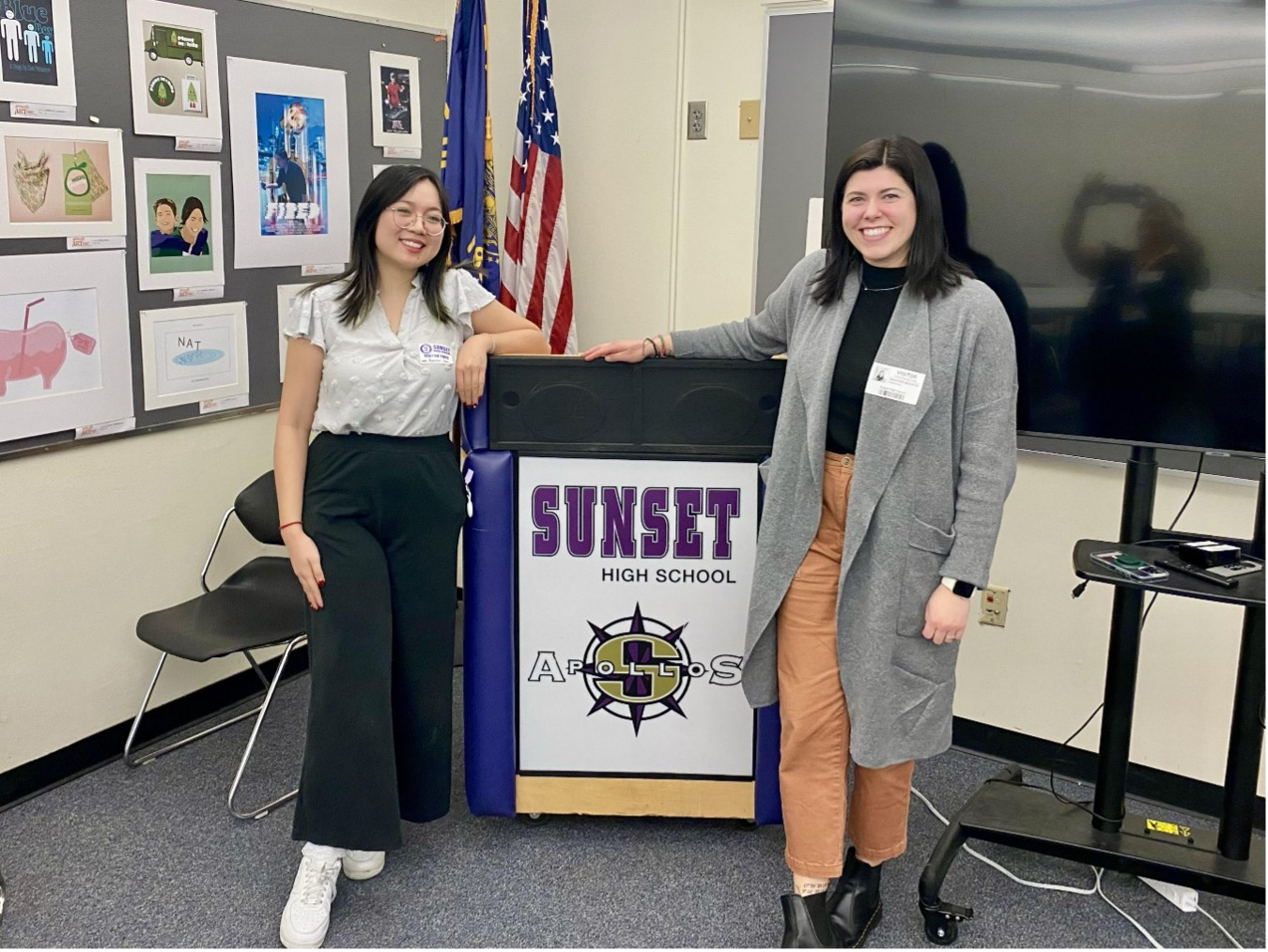
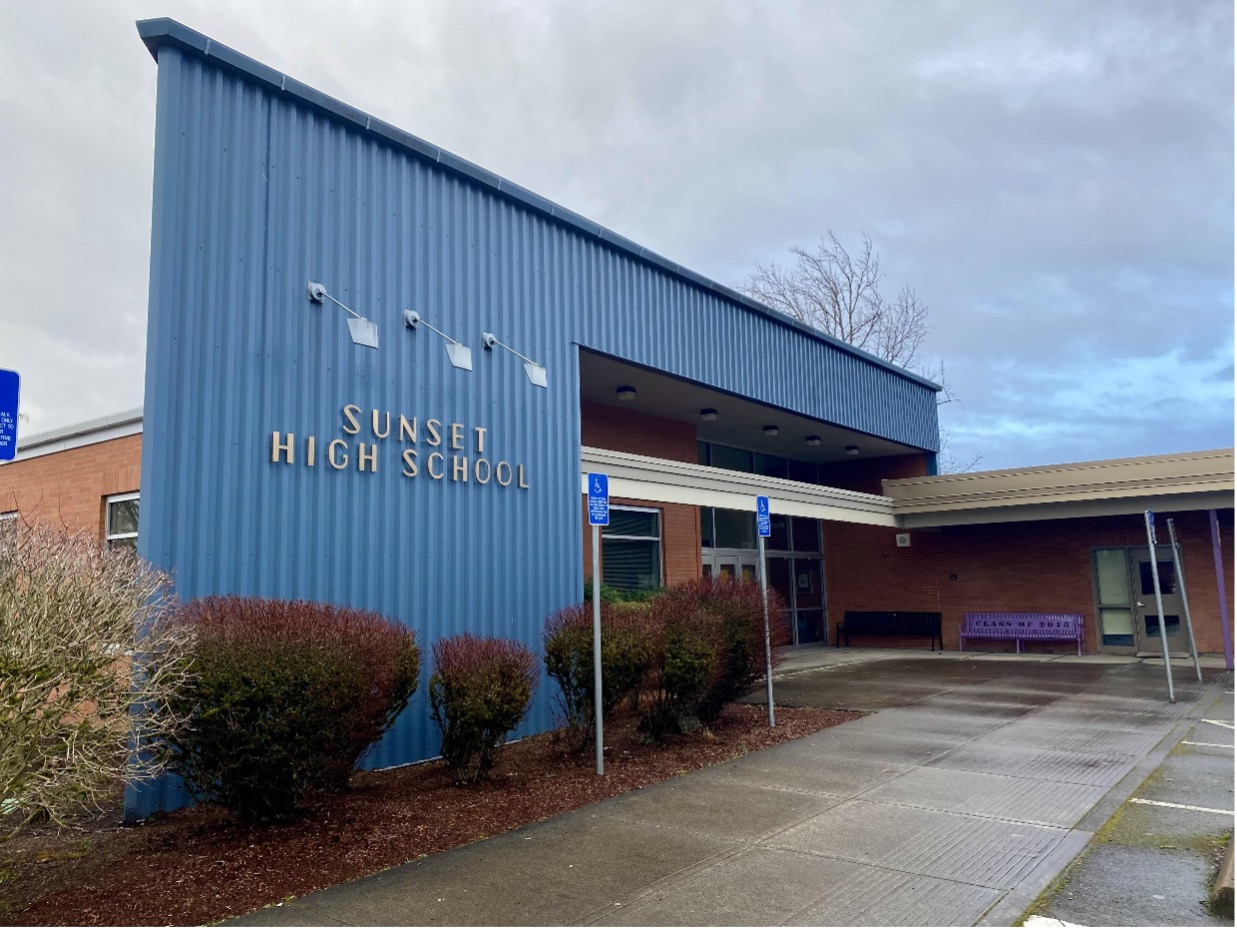
In late February, I had the opportunity to present at Sunset High School alongside Madisson McGuffin, a second-year graduate student from George Fox University. As a third-year clinical psychology student at Pacific University, I was excited to connect with parents and talk about something so important: supporting teens, particularly when they experience panic attacks. The session started in the best way possible, with a cozy breakfast and some delicious breakfast burritos! The atmosphere was welcoming and laid-back, making it easy for everyone to settle in and feel comfortable. Parents were eager to learn and engage, and it was clear from the start that we had a group that was both open-minded and genuinely invested in helping their teens.
To kick things off, I led a body scan meditation, a mindfulness exercise that helps to center the mind and relax the body. This technique is incredibly helpful for teens dealing with anxiety or panic attacks, as it encourages them to focus on their bodies and notice any tension or discomfort (Hofmann et al., 2012). Starting with this calming practice was a great way to get everyone grounded, and we could already see parents starting to feel more at ease as they connected with the exercise. We then moved into a conversation about panic attacks, one of the main concerns many parents expressed. There’s a lot of confusion around panic attacks, especially when it comes to understanding how they differ from anxiety attacks. A common myth is that they’re the same thing, but we explained that although both involve anxiety, panic attacks happen suddenly and with much more intense physical symptoms (American Psychiatric Association, 2022). We discussed how panic attacks often strike without warning and can include a racing heart, shortness of breath, dizziness, and even the feeling of having a heart attack (American Psychiatric Association, 2022).
Parents and counselors were surprised to learn just how common panic attacks are: up to 11% of people in the United States experience a panic attack each year (Cleveland Clinic, 2023). We also shared that anxiety disorders affect about 32% of adolescents between the ages of 13 and 18, making it the most common mental health concern among teens (National Institute of Mental Health, n.d.). These disorders include generalized anxiety disorder (GAD), social anxiety disorder (which typically begins around age 13), panic disorder, specific phobias, obsessive-compulsive disorder (OCD; (with 25% of cases starting by age 14), and post-traumatic stress disorder (PTSD), which are often triggered by trauma such as sexual assault (National Institute of Mental Health, n.d.). Additionally, we shared research showing that in a study surveying 36 schools, panic attacks and panic disorder were most commonly reported by teens between the ages of 14 to 15, emphasizing how critical early adolescence is for recognizing and addressing these issues (Essau et al., 1999). The study also found that the four most common symptoms during panic attacks were palpitations, trembling or shaking, nausea or abdominal distress, and chills or hot flushes (Essau et al., 1999).
We also tackled the myth that panic attacks look the same for everyone. Some teens might experience them with severe physical symptoms, whereas others might feel more mental distress, such as dread or confusion. Panic attacks are unique to each individual, and recognizing the variety of symptoms can make it easier for parents to respond in a supportive way (McNally, 2011).
To help parents better understand what a teen might experience during a panic attack, we led them through a powerful visualization exercise. We asked them to imagine their teen suddenly rushing up to them, hyperventilating and clutching their chest, saying, “I can’t breathe, I think I’m having a heart attack!” It was a simple but effective way to put themselves in their teen’s shoes and understand the overwhelming physical and emotional experience of a panic attack (McNally, 2011). This exercise allowed parents to pause and think about how they would respond in such a moment. We followed up with a discussion about how to stay calm, provide reassurance, and help their teen focus on the present moment. Using deep breathing exercises and grounding techniques like focusing on the five senses are all great ways to help a teen feel more in control during a panic attack (Hofmann et al., 2012).
Once the panic attack has passed, it’s important to support the teen in reflecting on the experience. We talked about how to ask teens what worked for them during the crisis and what might help next time. This self-reflection helps teens identify their triggers and start to build a ‘plan of action’ for future situations. This type of reflection and problem-solving is consistent with cognitive-behavioral therapy (CBT) approaches, which are often used to help individuals manage panic disorder (Hofmann et al., 2012). We also touched on the concept of resilience. It’s a skill that can be nurtured by learning how to cope with stressful situations in a healthy way, whether through mindfulness, therapy, or other support systems (Masten, 2014). We emphasized that building resilience isn’t about ‘toughing it out’ alone, but learning how to lean on trusted adults and mental health resources when needed (Masten, 2014).
The parents at Sunset High School were incredibly open, asking thoughtful questions and remaining engaged throughout the session. The low-stakes, relaxed environment made it easy for everyone to feel comfortable discussing such an important topic. Parents, counselors, and school staff took notes, asked questions, and appeared eager to learn more. Many shared their concerns and expressed a desire to continue the conversation and have us return for future sessions. It was inspiring to see how committed everyone was to supporting their teens' mental health, and the welcoming nature of the group made it clear that this is a community that truly cares. It was a rewarding experience to provide tools and strategies to help parents better support their teens. We look forward to returning and continuing the conversation about how to navigate mental health challenges together!
 |  |
References
American Psychiatric Association. (2022). Diagnostic and statistical manual of mental disorders (5th ed., text rev.). https://doi.org/10.1176/appi.books.9780890425787
Cleveland Clinic. (2023). Panic attacks & panic disorder: Causes, symptoms & treatment. https://my.clevelandclinic.org/health/diseases/4451-panic-attack-panic-disorder
Essau, C. A., Conradt, J., & Petermann, F. (1999). Frequency of panic attacks and panic disorder in adolescents. Depression and Anxiety, 9(1),19-26.
Hofmann, S. G., Asnaani, A., Vonk, I. J., Sawyer, A. T., & Fang, A. (2012). The efficacy of cognitive behavioral therapy: A review of meta-analyses. Cognitive Therapy and Research, 36(5), 427-440.
Masten, A. S. (2014). Resilience in developing systems: Progress and promise as the fourth wave rises. Development and Psychopathology, 19(3), 921-30.
McNally, R. J. (2011). Panic disorder: A clinician’s guide. Cambridge University Press.
National Institute of Mental Health. (n.d.). Anxiety disorders: Facts & statistics. Retrieved May 1, 2025 from https://www.nimh.nih.gov/health/statistics/any-anxiety-disorder