Ethics and Nature in Counseling and Psychotherapy – Orientation and Emerging Areas
Thursday, May 14, 2026 (9:00 AM - 1:00 PM) (PDT)
Description
 Thomas Doherty, Psy.D. author Surviving Climate Anxiety: A Guide to Coping, Healing and Thriving (2025, Little Brown Spark)
Thomas Doherty is a clinical and environmental psychologist based in Portland, Oregon, who helped pioneer the fields of eco and climate therapy. His paper “The Psychological Impacts of Global Climate Change,” co-authored by Susan Clayton, has been cited over 1400 times. He was a President of APA Div 34, the Society for Environmental, Population and Conservation Psychology and founding Editor of the journal Ecopsychology. Thomas co-hosts the Climate Change and Happiness podcast with Finnish climate emotions scholar Panu Pihkala. Thomas’s 2025 book Surviving Climate Anxiety: A Guide to Coping, Healing, and Thriving is a comprehensive guide for the public to understand feelings and responses to environmental issues, and to find meaning, motivation and authentic happiness. Learn more at thomasdoherty.com
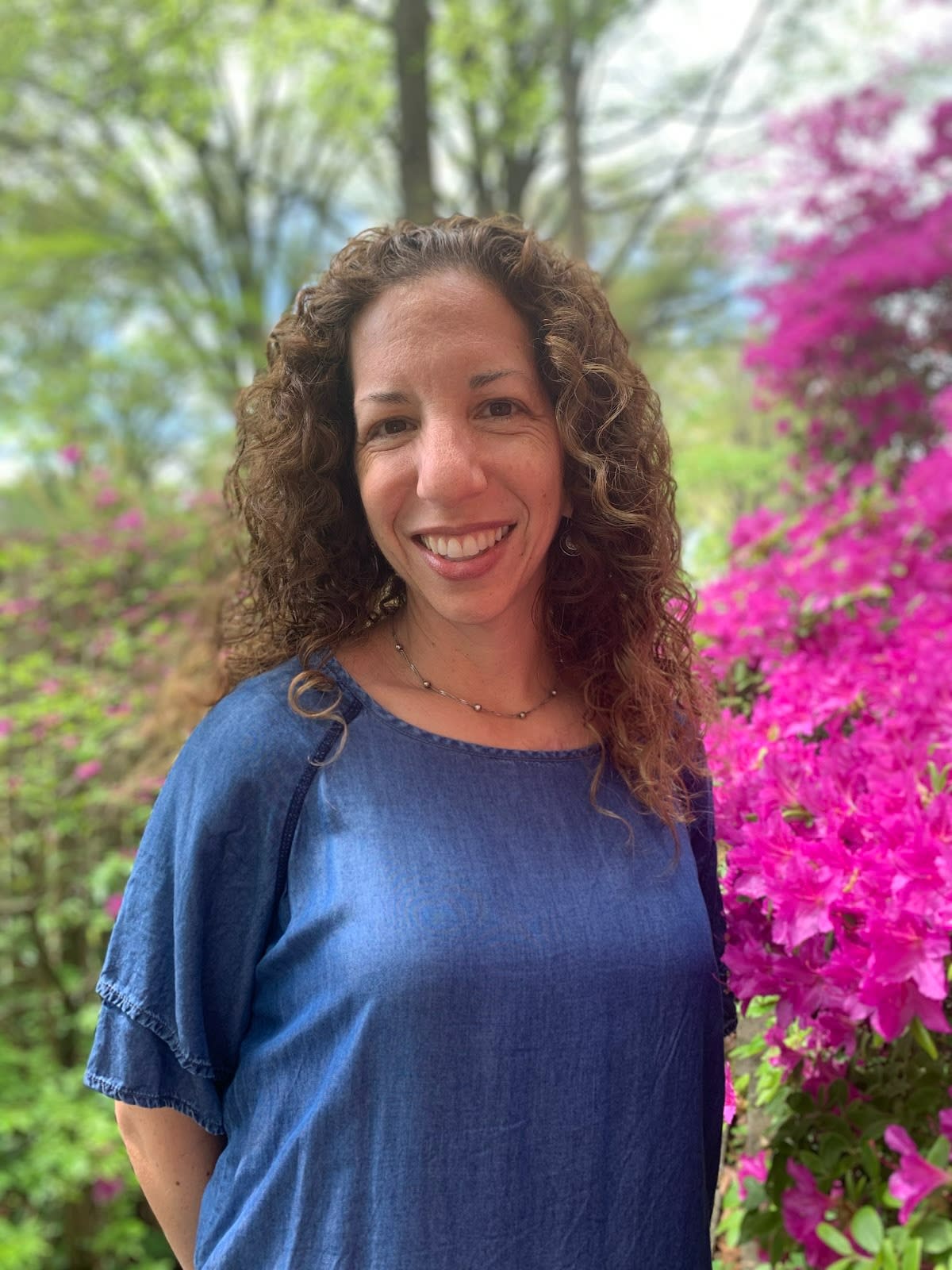 Jennifer Uder, LCSW, author Walk and Talk Therapy: A Clinician’s Guide to Incorporating Movement and Nature into Your Practice (2023, PESI)
Jennifer Udler, LCSW-C, SEP is the founder of Positive Strides Therapy, a psychotherapy practice that incorporates walk and talk therapy. She has had the honor of working with a variety of clients including those with anxiety, depression, trauma, high-risk adolescents, LGBTQ+, divorce, grief/loss, and developmental disabilities. Jennifer is the author of the book, Walk and Talk Therapy. A Clinicians Guide to Incorporating Movement and Nature into Your Practice. She has presented at the Psychotherapy Networker Symposium, Innovations in Psychotherapy Conference, Leading Edge Seminars, Therapeutic Adventure Professional’s Group, the Mind Body Training Institute, National Walking Summit, been featured in The Washington Post, The Psychotherapy Networker Magazine, APA Monitor on Psychology Magazine, The American Psychoanalyst Magazine, Sirius XM radio, Outside Magazine, Experience Life Magazine, and PESI publishing blog.
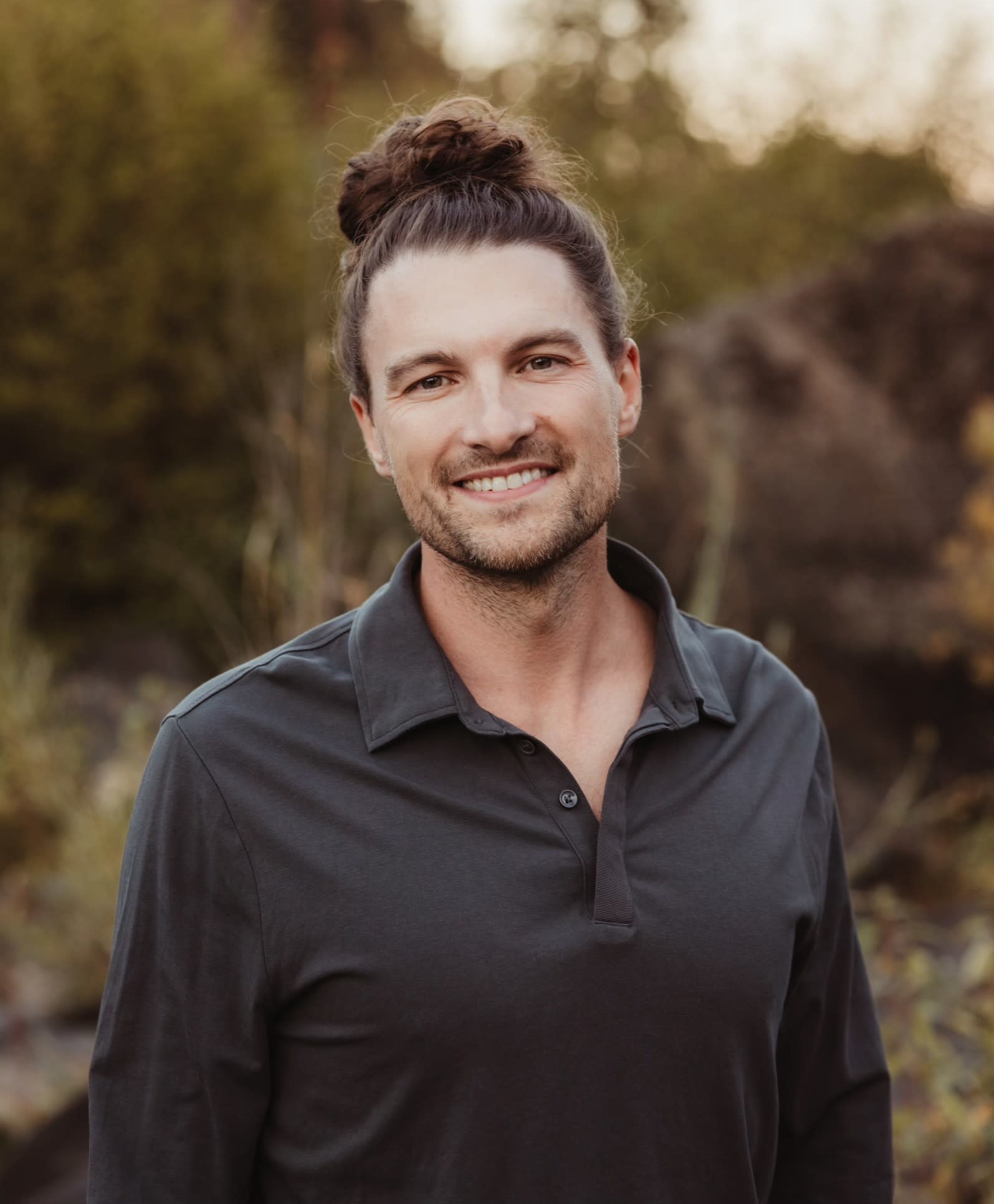 Ryan Reece, PhD, author Natural Approaches to Optimal Wellness: Integrating EcoWellness into Counseling (2026, Routledge)
Ryan Reese Ph.D. is a counselor educator, licensed professional counselor, and internationally recognized counseling scholar whose work bridges environmental and mental health. His research on EcoWellness and the human-nature relationship has helped inform emerging models of nature-based and climate-informed counseling. At OSU-Cascades, Ryan teaches core and clinical courses within the Master of Counseling program, drawing from integrative and experiential approaches. His publications include peer-reviewed articles and his solo-authored book, Natural Approaches to Optimal Wellness: Integrating EcoWellness into Counseling (Routledge, 2025), which advances wellness-oriented, ecologically grounded practices in the counseling profession.
Summary:
This 4-hour continuing education program focuses on psychological ethics in three emerging areas of practice associated with nature and eco-wellness: (1) “walk and talk” therapy and conducting in-person sessions outside of an office, (2) addressing environmental, climate or disaster distress in therapy settings, and (3) processing nature epiphanies that arise in the context of psychedelic-assisted therapy.
Each of these areas also expands the frame of office-bound, human-centric therapy and requires novel ethical considerations. Issues can include the politicization and suppression of nature connectedness and expression of ecological worries, therapist as fellow traveler in terms of outdoor therapy or disaster experience, and managing potentially life-changing paradigm shifts associated with environmental wake-ups and mystical experiences.
We’ll explore ethical best practices common across these areas, such as attending to diversity and inclusion and the “set and setting” of encounters; recognizing the influence of environmental identity and values; educating about informed consent; matching clients to appropriate therapies; managing physical and psycho-emotional risks; and properly screening for co-morbid issues.
As we will learn, none of these areas are “new” in terms of human experience and there are a number of current and historical resources that can guide ethical decision-making.
44